
7 Reasons Why You “Overreact” in Arguments (Hint: It’s not your partner!)
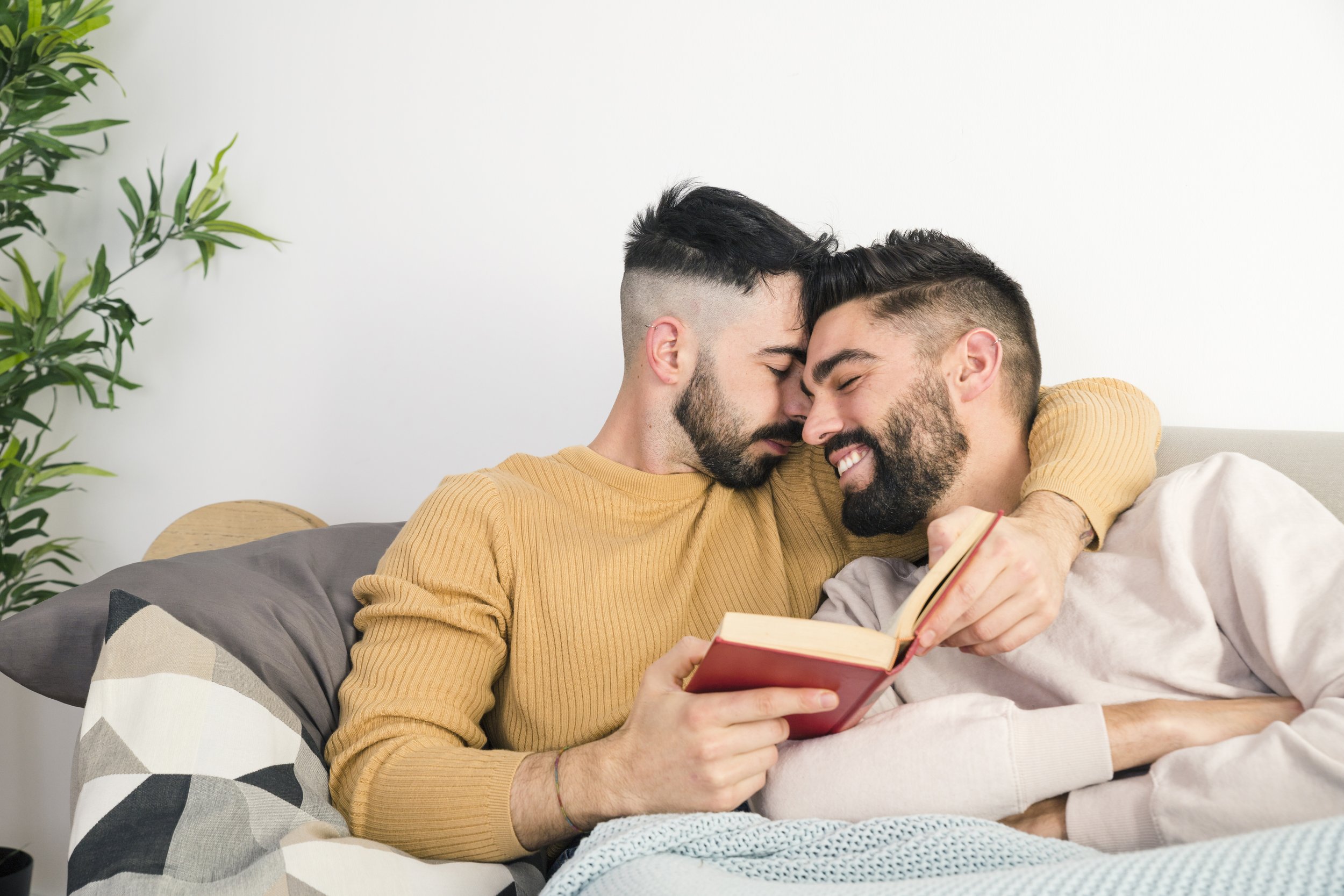
Most people have had that moment in an argument where their reaction feels way bigger than what’s actually happening. A small disagreement suddenly turns into anger, defensiveness, or shutting down. And afterward, there’s often this sense of “Wait… why did I react like that?”, sometimes even embarrassment or confusion.
If this happens to you, you’re not alone, and you’re not “too much.”
More often than not, those reactions aren’t really about the present moment, or even about your partner. They’re coming from something deeper, parts of you that learned, at some point, how to protect, how to cope, how to survive emotionally.
When you start to understand that, everything begins to shift.
1. Your nervous system thinks you’re under threat
In conflict, your brain doesn’t always register “this is just a conversation.” It can feel like a threat, to connection, to safety, or to your sense of worth.
So your nervous system moves fast, before your thinking brain has time to catch up. You might snap, get defensive, or shut down.
These reactions aren’t random, they’re protective. A part of you is trying to keep you safe, even if the strategy isn’t helping in the moment.
2. You’re being emotionally triggered
Sometimes what’s happening now taps into something from before.
A small comment from your partner might suddenly feel loaded, not because of what was said, but because of what it touches. Maybe a part of you that has felt criticized, rejected, or not good enough before gets activated.
That’s why the reaction can feel so big. It’s not just about now, it’s about then, too.
3. A younger part of you is showing up
From an IFS lens, these intense reactions often come from parts of us that carry older emotional experiences.
So in the middle of an argument, it might not just be your adult self responding. It might be a younger part, one that learned, a long time ago, that it had to fight, shut down, or work hard to stay connected.
When that part gets activated, it can take over quickly, and your reaction starts to make a lot more sense.
4. Your attachment system is activated
Conflict is one of the fastest ways to activate attachment patterns.
If you lean more anxious, you might feel a surge of urgency, a need to fix things, to reconnect, to not lose the relationship.
If you lean more avoidant, you might feel overwhelmed or flooded, and want to pull away, shut down, or create space.
Both are protective. Both make sense. And together, they often create a cycle where one partner reaches while the other withdraws.
5. Your past is shaping your present
Experiences like criticism, emotional neglect, betrayal, or abandonment don’t just disappear. They shape how you interpret what’s happening now.
So when something in the present feels even slightly familiar, your system can respond as if that old experience is happening all over again.
This is why arguments can escalate so quickly, even when the issue itself seems small.
6. You and your partner are caught in a cycle
Most couples don’t just argue randomly, they get pulled into patterns.
Maybe one of you pursues while the other withdraws. Maybe one escalates while the other shuts down. Over time, this becomes a loop that both of you get stuck in.
The problem isn’t one person, it’s the cycle.
And once you can see the cycle, instead of blaming each other, you can start to shift it together.
7. You haven’t been taught how to regulate in connection
Most of us were never actually taught how to stay grounded while being emotionally activated, especially in close relationships.
So when things get intense, we default to what we learned, react, defend, shut down, or try to fix quickly.
But regulation is a skill. And it’s something you can learn.
Slowing down, even just a little, taking a breath, noticing what’s happening inside, can begin to change the entire interaction.
So what actually helps?
It starts with awareness, noticing when you’re activated, recognizing your patterns, and getting curious instead of critical.
You might begin to catch yourself thinking, “This feels familiar… this might not just be about right now.”
From there, you can start to respond differently, maybe by pausing, softening, or sharing what’s underneath the reaction instead of acting out.
This is also where therapy can be incredibly helpful.
Approaches like Emotionally Focused Therapy, EFT, help couples slow down these patterns and express the deeper emotions underneath, like fear, hurt, or longing, in a way that creates connection instead of conflict.
And when trauma is part of the picture, approaches like EMDR or parts work can help process those earlier experiences, so they don’t keep getting activated in the same way.
Conflict isn’t the problem
Conflict is a normal part of any close relationship. It’s not the presence of conflict that causes harm, it’s how we move through it.
When you can approach conflict with curiosity instead of blame, it becomes an opportunity, to understand yourself more deeply, to understand your partner, and to create a different kind of interaction.
The bottom line
If you feel like you “overreact” in arguments, it doesn’t mean something is wrong with you.
It usually means something important inside you is getting activated.
And when you learn how to understand those parts, regulate your nervous system, and communicate what’s really happening underneath, conflict starts to look very different.
Less like something to fear, and more like something that can actually bring you closer.
Take the first step today book your session now.
FAQs
Why do I react so strongly during arguments?
Because something deeper is being activated, often a fear of disconnection, rejection, or not being valued, rather than just the current issue.
Are emotional triggers normal?
Yes, completely. They’re part of how our nervous system stores and responds to past experiences.
How do I stop overreacting?
It’s less about stopping, and more about slowing down, noticing your triggers, and learning how to respond instead of react.
Can therapy help with this?
Yes, therapy can help you understand your patterns, regulate your emotions, and shift the cycle you and your partner get stuck in.
Is conflict always a bad sign?
Not at all. When handled well, conflict can deepen connection and strengthen a relationship.
Couples Therapy, Sex Therapy , and Individual Therapy in Los Angeles, Long Beach, and Orange County
Are you ready to build a secure, emotionally connected relationship?
Dr. Liz Wee at Couples Healing Center specializes in attachment-based couples therapy and sex therapy designed to help partners create safety, intimacy, and lasting connection.
We support individuals and couples seeking help with:
attachment styles and relationship patterns
rebuilding intimacy and trust
healing betrayal and relational wounds
improving communication and emotional connection
nervous system regulation and co-regulation
desire, sexuality, and sexual wellness
Services Offered
Couples Therapy Los Angeles
Couples Therapy Long Beach
Couples Therapy Orange County
Sex Therapy Los Angeles
Sex Therapy Long Beach
Sex Therapy Orange County
Couples Intensives and Immersive Couples Retreats in Santa Barbara
Begin your journey toward a secure, passionate, and deeply connected relationship today. Contact us to schedule a free consultation call!
Written by Dr. Liz Wee, licensed relationship & sex therapist and founder of Couples Healing Center.