

Frequently Asked Questions
Home / Frequently Asked Questions
FAQs
What kinds of issues do you typically work with?
I work with a wide range of relational and sexual concerns, including communication challenges, conflict patterns, emotional disconnection, attachment injuries, betrayal of trust, betrayal trauma, narcissistic abuse, infidelity and rebuilding trust, differences in desire, sexual dysfunction, sexual anxiety, and pain during sex. I also support couples navigating major life transitions, parenting stress, and moments of uncertainty about whether to stay together or separate.
What is your approach to couples therapy?
My approach is primarily Emotionally Focused Therapy (EFT), an attachment-based model that helps couples understand and shift the emotional cycles that drive disconnection. I also integrate elements of Internal Family Systems (IFS), mindfulness, Cognitive Behavioral Therapy (CBT), and Dialectical Behavior Therapy (DBT) to support deeper emotional processing, emotional regulation, and lasting relational change.
What is it like to work with you?
Many couples say they leave sessions feeling more understood, emotionally aware, and connected to what’s happening beneath the conflict. Clients often report feeling supported, validated, and deeply understood. I work to remain a steady, unbiased attachment figure for both partners while holding the best interest of the relationship at the center of the work. Clients have described me as insightful, empathetic, gentle, and at times, funny.
What can we expect emotionally during couples therapy?
Couples therapy can bring relief, insight, and reconnection, but it can also bring up strong emotions as long-standing patterns become more visible. It’s not uncommon for things to feel more intense before they begin to shift. We move at a pace that supports both emotional safety and meaningful, lasting change.
What can we expect from couples therapy sessions?
Couples therapy sessions are tailored to the unique dynamics and challenges within your relationship. Sessions provide a supportive space to express thoughts, emotions, and concerns openly while learning healthier ways to communicate and connect. Together, we work to identify underlying emotional patterns, improve conflict resolution, strengthen emotional safety, and rebuild trust and connection over time.
How long does it take to heal or resolve our issues?
The timeline depends on the complexity of the issues, the level of engagement from both partners, and the goals of therapy. Some couples begin noticing meaningful shifts within a few sessions, while deeper issues such as infidelity, trauma, or long-standing disconnection often require more time. Healing usually happens gradually through consistency, openness, and ongoing emotional work both inside and outside of sessions.
Do you work with couples who are on the brink of separation?
Yes. I work with couples at all stages, including those on the brink of separation. When things feel this fragile, the focus is on creating enough emotional stability to better understand what’s happening beneath the conflict and whether there is a path toward repair that both partners can genuinely commit to.
What if my partner doesn’t want to come to therapy?
That’s actually more common than you might think. You’re absolutely welcome to begin on your own. When one person starts to shift, it can create meaningful changes within the relationship dynamic and sometimes naturally opens the door for the other partner to join later.
What’s the difference between weekly therapy and intensives?
Weekly therapy offers a steady, ongoing space to work through patterns gradually and integrate change into daily life over time. Intensives are longer, focused sessions held over a shorter period, allowing us to go deeper more quickly and create momentum when things feel stuck or complex. Intensives can be especially helpful for infidelity, discernment work, or for those with demanding schedules or parenting responsibilities.
What is sex therapy?
Sex therapy addresses the emotional, psychological, relational, and physiological factors that shape sexual connection. This may include differences in desire, sexual anxiety, emotional disconnection, erectile dysfunction, pain during sex, or intimacy challenges within the relationship. The goal is to create greater safety, communication, curiosity, and connection between partners.
What can I expect from individual therapy sessions?
Individual therapy provides a supportive and confidential space to explore thoughts, emotions, relationship patterns, and personal experiences. The goal is to help clients gain insight, develop healthier coping strategies, heal past wounds and attachment injuries, improve emotional regulation, and foster personal growth and self-awareness. Therapy may incorporate approaches such as EFT, EMDR, CBT, DBT, mindfulness, and other trauma-informed interventions depending on your needs and goals.
Do you only work with couples?
No. My associates and I work with both couples and individuals. While we specialize in relational and attachment-based work, we also support individuals navigating anxiety, depression, trauma, life transitions, self-esteem concerns, and personal growth.
Do you work in person or online?
My associates and I provide both in-person and virtual therapy sessions.
Do you accept insurance?
We do not bill insurance directly. However, many clients are able to receive reimbursement through their out-of-network benefits using the superbills we provide. We recommend checking with your insurance provider to better understand your coverage. Clients may also choose to use Mentaya, a service that helps simplify the reimbursement process for a small fee.
Is everything we discuss confidential?
Yes. Confidentiality is a core part of therapy. What you share in sessions is private, with a few legal exceptions such as situations involving risk of harm to yourself or others. These limits are always explained clearly so there are no surprises.
Do you accept insurance?
As out-of-network providers, we are not associated with any health insurance networks. Consequently, we cannot directly submit bills to insurance companies or engage with them regarding your treatment. However, we can provide you with a statement known as a "Superbill" that includes all necessary information for you to submit to your insurance company for possible reimbursement. You will be responsible for paying us directly, and your insurance company will issue reimbursement directly to you. Additionally, you may have the option to utilize your employer's flex spending plan, which allows you to use pre-tax dollars to cover therapy expenses. If you have any inquiries or require further guidance on payment options, feel free to reach out to us.
We understand that therapy can be a significant financial commitment, and navigating superbills and insurance reimbursements can often feel overwhelming. That’s why we’ve partnered with Mentaya—a service designed to simplify the process of getting reimbursed for therapy sessions through your out-of-network benefits.
Mentaya is ideal for you if you:
• Have out-of-network benefits
• Feel overwhelmed by superbills and insurance
• Have submitted superbills but failed to get any reimbursement
• Simply want to skip the hassle of paperwork! Here's how it works:
1. Sign up for Mentaya here.
2. Our practice will enter your sessions into the platform.
3. Mentaya submits the claim and handles any insurance follow-up.
4. You get reimbursed by insurance! Mentaya charges a 5% fee per claim, which includes handling any paperwork required, dealing with denials, and calling insurance companies. It's risk-free: They guarantee claims are successfully submitted, or a full refund of their fees.
Check your benefits here now or call us at (562) 353-5335 so we can check it for you.
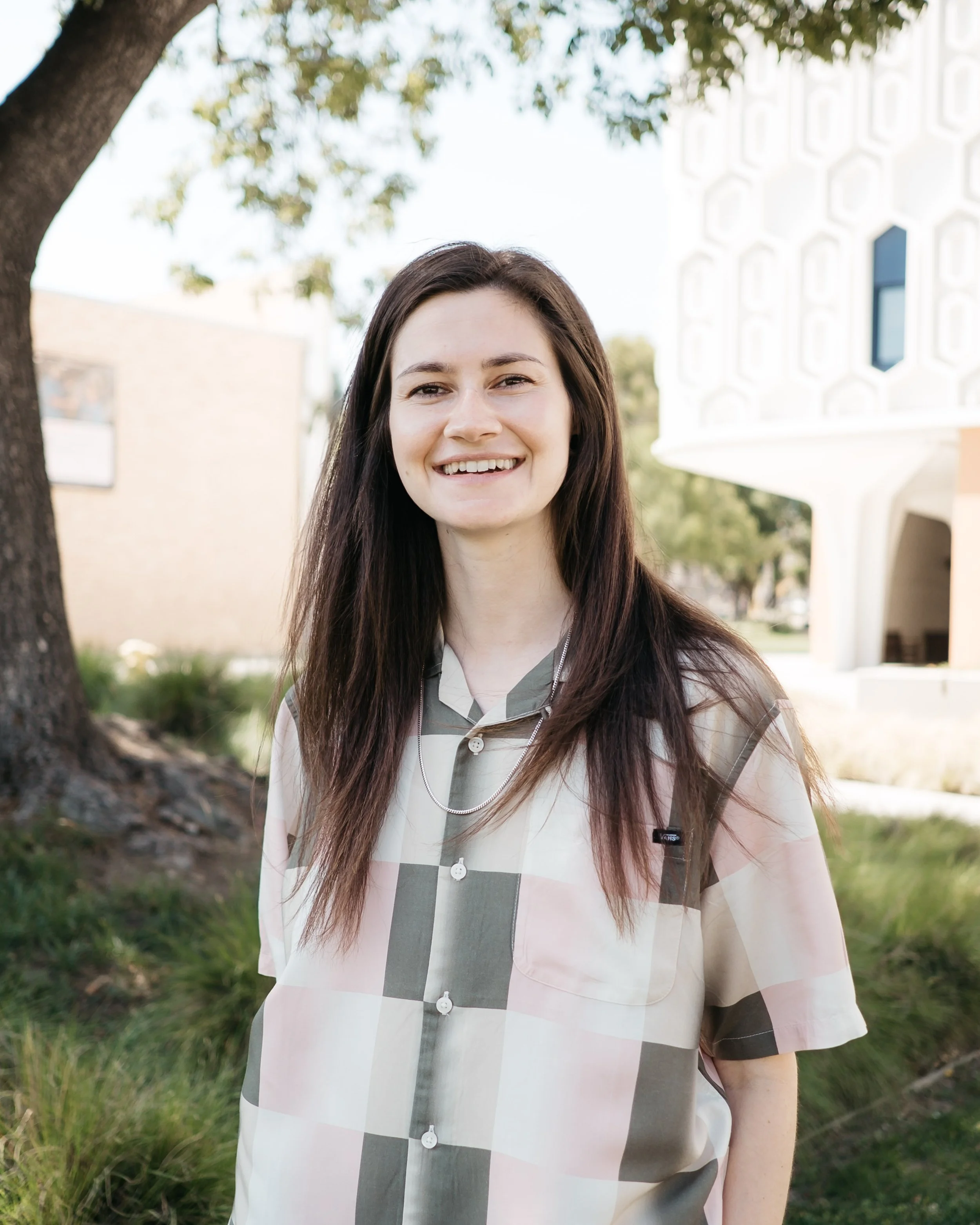
Meet the team








“Couples Healing Center provides a transformative sanctuary for couples seeking to mend and strengthen their relationships. From the welcoming atmosphere to personalized therapy sessions, every aspect is tailored to foster healing and connection. With their expert guidance and supportive community, it's a beacon of hope for couples navigating the challenges of modern life.”
Amanda, Couples Healing Center client
Three steps after you contact us
1
What are you looking for?
You’ll be asked a few questions to help us tailor our suggestions.
2
Personalized suggestions.
We’ll share who from our team is the best fit for your needs and preferences.
3
Pick the right therapist.
Schedule a free consultation with any of your recommended therapist to see is the right fit.
Let us help you find care that's right for you.
Testimonials