
EMDR Therapy in Los Angeles
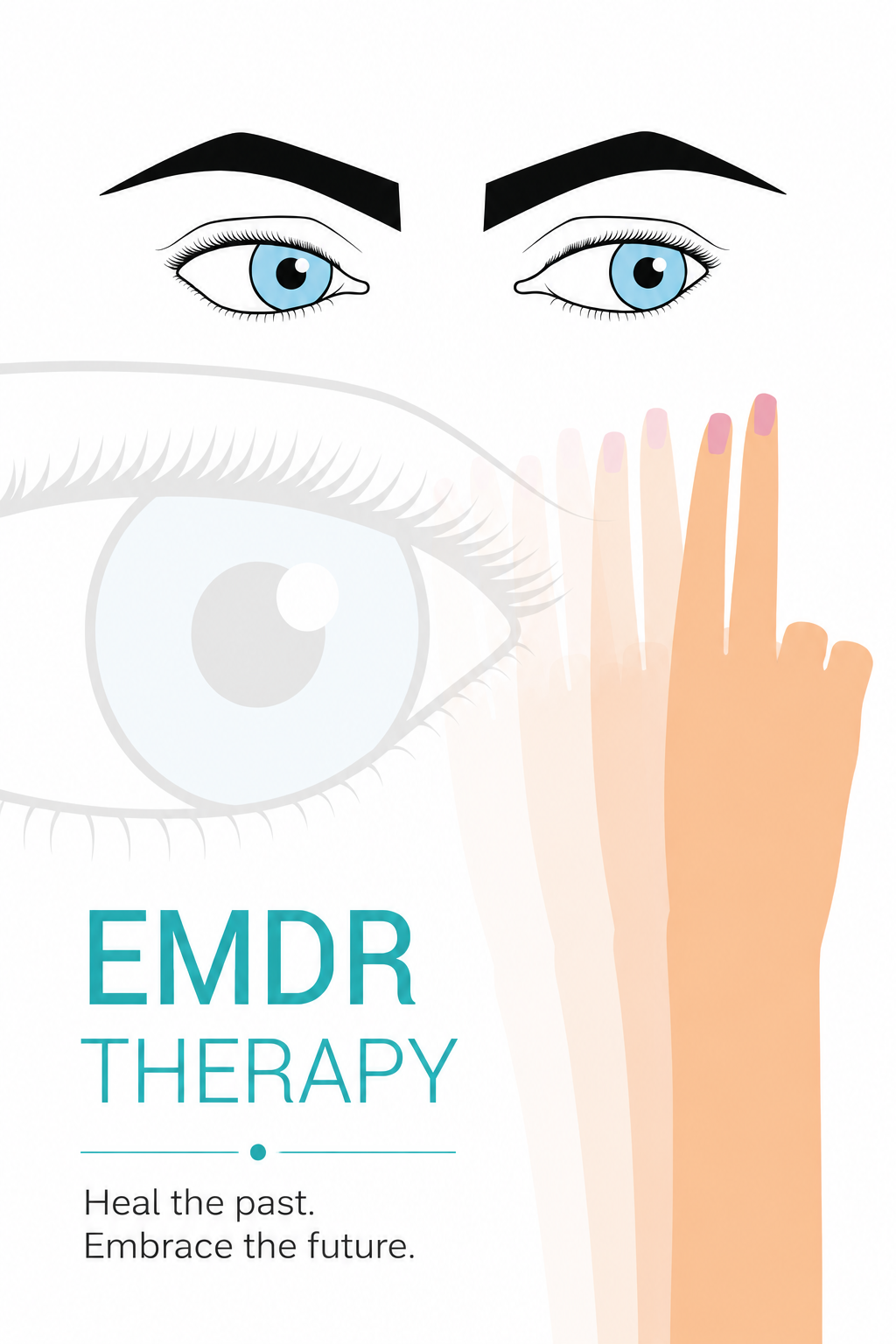
Eye Movement Desensitization and Reprocessing (EMDR) therapy is revolutionizing the field of psychotherapy, helping individuals heal from distressing life experiences and emotional trauma in a fraction of the time traditionally required. Just as the body knows how to heal a physical wound once an irritant or foreign object is removed, EMDR taps into the brain’s natural ability to process and integrate distressing memories—promoting both mind and body recovery.
Backed by extensive research and endorsed by organizations such as the World Health Organization (WHO) and the American Psychological Association (APA), EMDR has emerged as a gold-standard treatment for trauma, PTSD, and other emotional struggles. It offers fast, lasting relief by targeting the root of psychological distress, allowing individuals to break free from the grip of painful memories and move forward with confidence and clarity.
Contact Us Today To Start Your Healing Journey!
Interested in working together? Fill out some info and we will be in touch shortly! We can’t wait to hear from you!

What is EMDR Therapy?
EMDR (Eye Movement Desensitization and Reprocessing) is a structured, eight-phase therapy approach designed to help clients process and reframe traumatic or distressing memories. It combines focused attention, bilateral stimulation (e.g., guided eye movements), and cognitive processing to reduce the emotional charge of traumatic experiences.
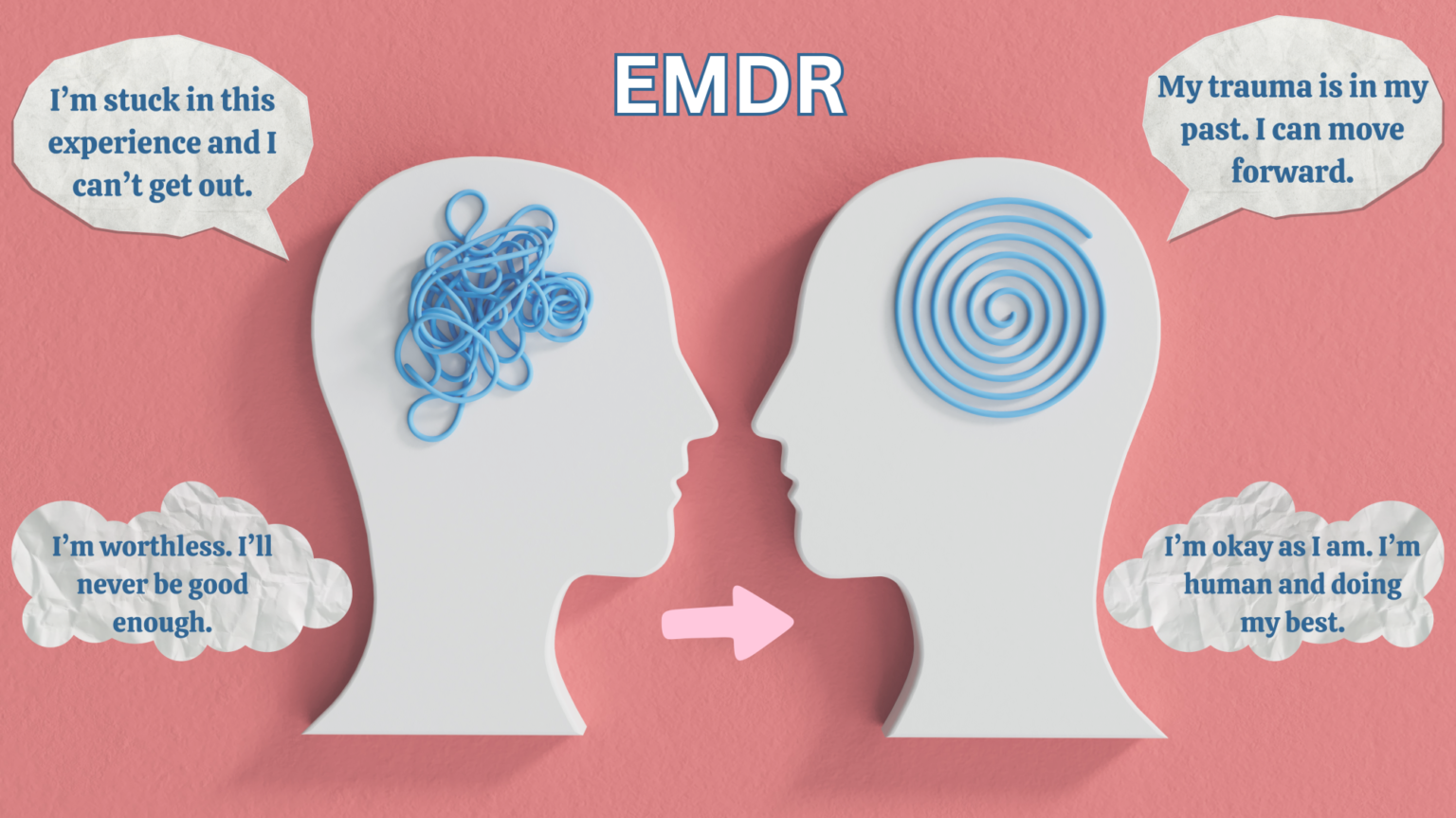
At its core, EMDR helps to “unlock” stuck memories—allowing individuals to reprocess them so that the negative emotions, beliefs, and physical sensations associated with those experiences can be resolved. Clients can then integrate the memory into their life story in a way that is neutral and no longer emotionally disruptive.

The Eight Phases of EMDR Therapy in Long Beach
-
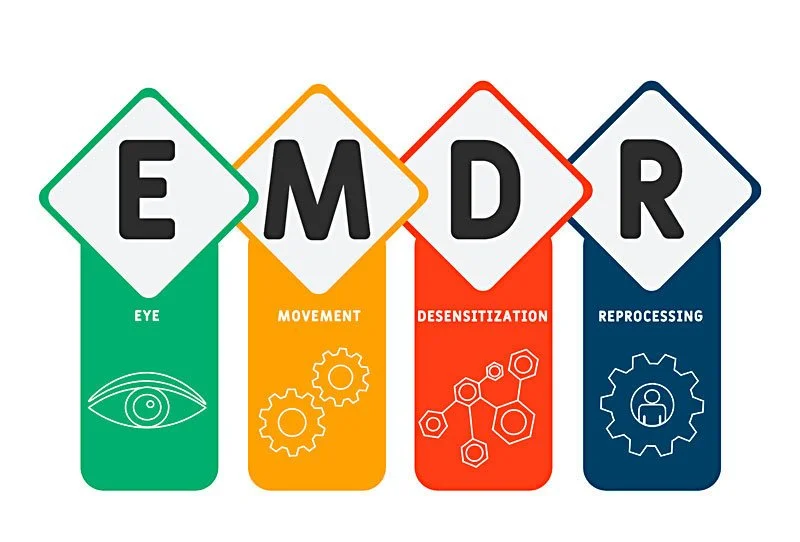
![Diagram of EMDR therapy process with four steps: eye, movement, desensitization, reprocessing, each represented by a colored arrow with related icon.]()
History-Taking and Treatment Planning
The therapist gathers a detailed history, identifies target memories, and collaborates with the client to establish treatment goals.
-
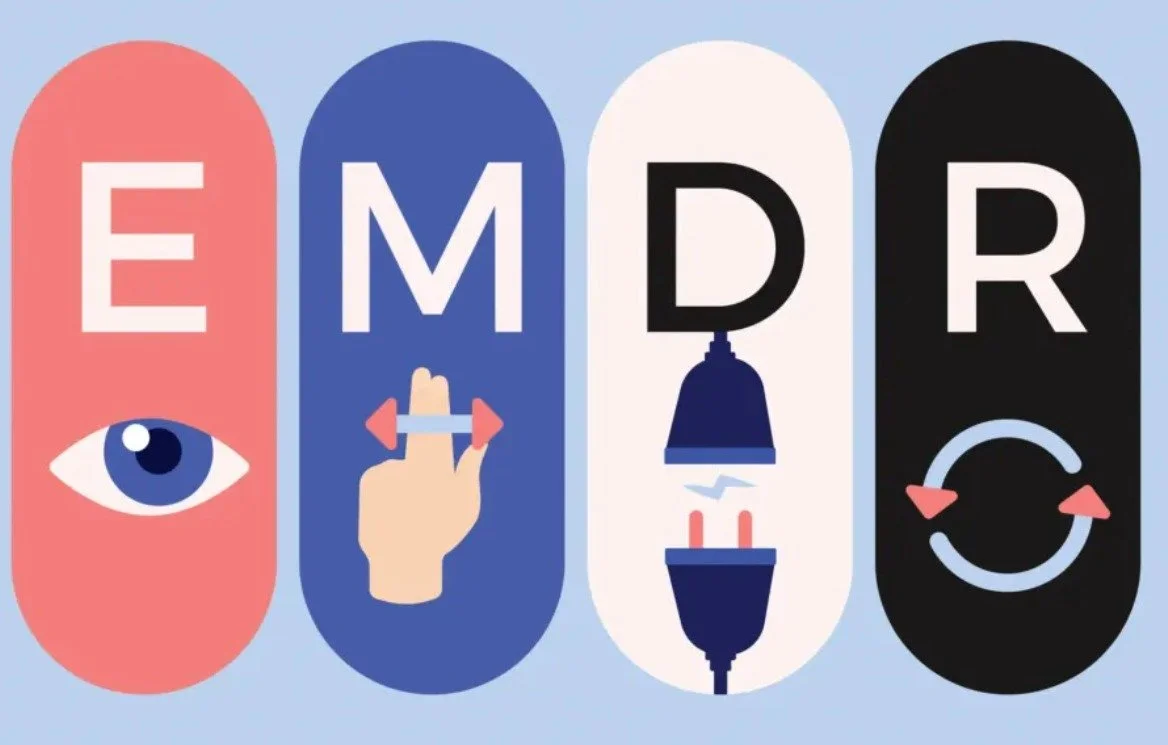
![Illustration of the word "EMDR" with each letter inside an elongated oval, each representing different symbols related to eye movement, hand movement, sound therapy, and bilateral stimulation.]()
Preparation
The therapist educates the client about EMDR, builds trust, and teaches coping strategies to ensure safety and emotional stability throughout the process.
-
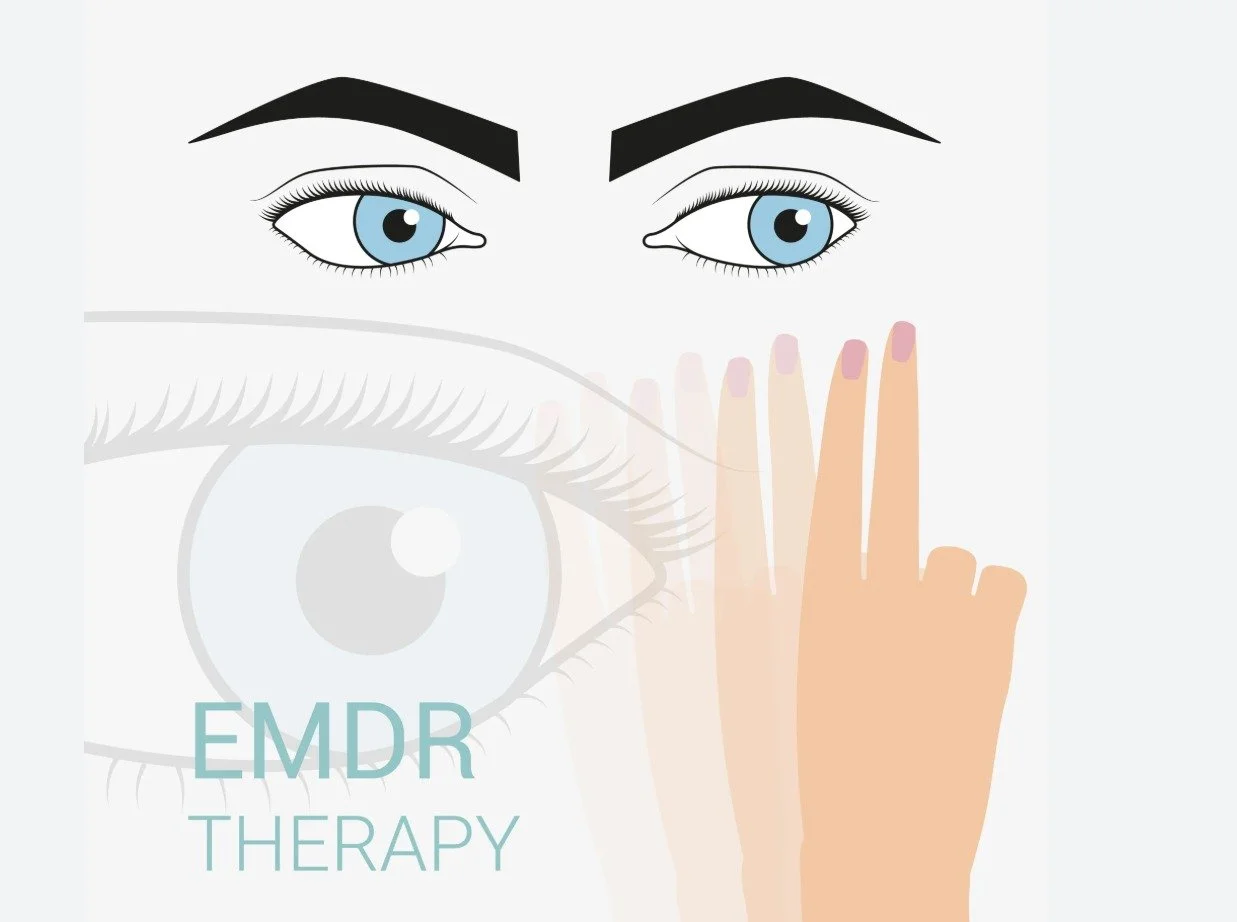
![Illustration of eyes, hand, and face with text 'EMDR Therapy' on a light background.]()
Assessment
The client identifies specific memories, negative beliefs, emotions, and body sensations associated with the target event. Positive beliefs are also identified to replace the negative ones during processing.
-
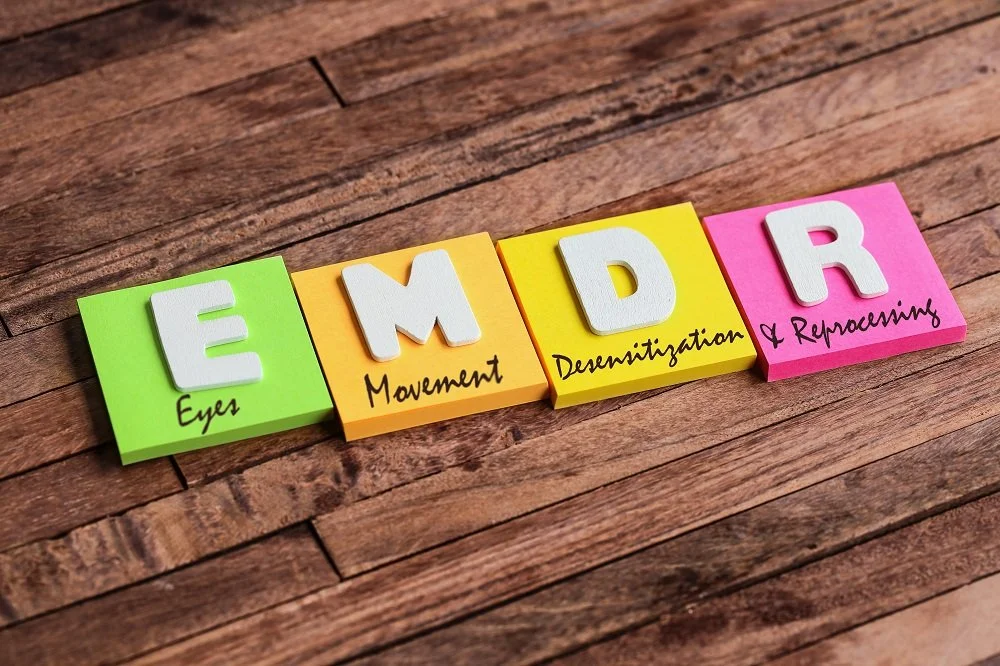
![Colorful sticky notes spelling out 'EMDR' on a wooden surface, with each letter representing 'Eyes', 'Movement', 'Desensitization', and 'Reprocessing' respectively.]()
Desensitization
Bilateral stimulation (e.g., eye movements) begins as the client focuses on the target memory and associated feelings. This phase helps reduce the emotional intensity of the distressing experience.
-
![Illustration of a doctor talking to a patient in a medical consultation room, with large eyes depicted in the background and a potted plant on the side.]()
Installation
Positive, adaptive beliefs are strengthened and “installed” to replace the previously held negative beliefs.
-
![A woman with long dark curly hair sitting on a green chair, facing another woman with shoulder-length brown hair, who is gently touching her face.]()
Body Scan
The therapist guides the client to scan their body for lingering physical tension or discomfort. EMDR helps process any remaining sensations to ensure full resolution of the memory.
-
![A woman with glasses and curly hair wearing a beige blazer and white shirt, gesturing with her index finger during a counseling or therapy session with another woman in a brown sweater in a cozy room with bookshelf and teddy bear.]()
Closure
The session ends with grounding techniques to ensure the client feels calm, stable, and safe. Coping tools are reviewed for ongoing emotional regulation.
-
![A hand holding a blue personal massager or vibrator.]()
Reevaluation
The therapist assesses progress at subsequent sessions, ensuring lasting changes and addressing any remaining targets or concerns.





How Does EMDR Work?
During an EMDR session, the therapist uses bilateral stimulation, typically through eye movements, tapping, or auditory tones. While engaging in this stimulation, the client focuses on specific memories, thoughts, emotions, or body sensations connected to the traumatic event. This process mimics the natural healing mechanisms of REM sleep, during which the brain integrates and processes emotional experiences. EMDR allows clients to:
Access unresolved traumatic memories, Process and reframe those experiences, Replace negative beliefs (e.g., “I’m powerless” or “I’m unsafe”) with healthier, positive beliefs (e.g., “I am in control” or “I am safe now”). The bilateral stimulation keeps the brain engaged in a way that prevents it from becoming overwhelmed while promoting rapid emotional processing.

Why Choose EMDR Therapy in Los Angeles?

Rapid Results
EMDR can produce significant relief in fewer sessions compared to other forms of therapy.

Nontraditional Talk Therapy
Unlike other therapies, EMDR does not require clients to extensively verbalize their trauma, making it ideal for those who struggle to put their experiences into words.

Holistic Healing
EMDR integrates the mind and body, addressing emotional, cognitive, and somatic components of trauma.

Scientifically Backed
EMDR is supported by decades of research, with studies demonstrating its efficacy for treating PTSD and trauma-related symptoms.

Empowerment
Clients often report feeling empowered, liberated, and equipped to move forward with their lives after processing traumatic memories.

Who Can Benefit from EMDR?
EMDR is not limited to trauma survivors; it is a versatile therapeutic approach that can help individuals struggling with a variety of issues, including:
Post-Traumatic Stress Disorder (PTSD)
Anxiety and panic attacks
Depression
Grief and loss
Childhood trauma or neglect
Phobias and fears
Addictions
Performance anxiety
Chronic pain and somatic disorders
Sexual or physical abuse recovery
Low self-esteem and negative self-beliefs
EMDR is particularly effective for individuals who feel “stuck” in their healing process or those who have not experienced success with traditional talk therapy alone.
Take the First Step Toward Healing
If you’ve been carrying the weight of trauma, anxiety, or distress, EMDR therapy can help you release the burden and step into a future of clarity, peace, and empowerment. Whether you are healing from a single traumatic event or years of accumulated stress, EMDR offers a path to recovery that is efficient, compassionate, and deeply effective. Contact us today to schedule a consultation and take the first step toward reclaiming your life.

What Does EMDR Feel Like?
Clients may experience a range of emotions or physical sensations during EMDR, but these typically decrease in intensity as the session progresses. Common experiences include: Brief emotional releases as memories are processed A sense of relief, calm, or resolution as negative beliefs shift to positive ones Physical sensations, such as tension being released or feeling lighter Many clients describe EMDR as a powerful and transformative process, enabling them to let go of pain they’ve carried for years.

Testimonials

Still have a question?
Contact us! We’re happy to help.
Frequently Asked Questions





Book a Session Today!
Ready to explore the transformative power of ketamine assisted couples therapy? Contact us today to schedule your consultation or book your first session!